When Whitening Hits a Wall: Why Your Smile Stops Brightening
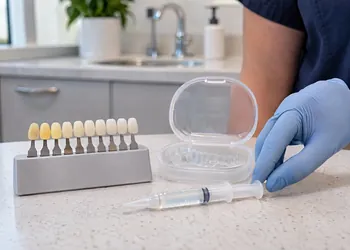
If you have whitened your teeth before and loved the first few shades of change, it can be frustrating when results suddenly level off. Many patients searching for teeth whitening in Key West are not asking, "Does whitening work?" They are asking, "Why did it stop working for me, and what should I do now?"
This article explains the most common reasons whitening stalls, including stain type, existing dental work, sensitivity limits, and realistic shade ceilings. It also outlines practical next steps, including when it makes sense to discuss veneers or other cosmetic options with a cosmetic dentist.
TL;DR - Why Whitening Plateaus and Your Best Next Move
Whitening often stops "working" because you have reached your tooth's natural shade limit, the remaining discoloration is deeper inside the tooth, or restorations are setting the visible color.
- Surface stains lighten best; deeper (intrinsic) discoloration may plateau early.
- Crowns and fillings do not whiten, which can make results look uneven.
- Sensitivity can limit treatment, causing shorter sessions that slow progress.
- A pro exam matters when you are not sure if you need more whitening or a different cosmetic plan.
- Veneers or bonding may be better when color issues are structural or combined with shape concerns.
For an overview of options and what we offer, start with our teeth whitening page.
In our previous blog, "Veneers vs. Whitening in Key West: How to Choose" we discussed how patients decide between the two. In this article, we focus on what it means when whitening disappoints and how to troubleshoot the cause.
Why Teeth Whitening Sometimes Stops Working
Whitening is effective for many people, but it is not magic paint. Bleaching gels work by breaking up certain stain molecules within the outer tooth structure. When results stall, there is usually a logical reason and it is often visible in the type of discoloration you have.
1) You Reached Your Natural Shade "Ceiling"
Every tooth has a baseline color that is partly determined by enamel thickness and the underlying dentin. After you lift surface stains, your teeth may simply be back to their natural starting point. At that stage, doing "more" may create more sensitivity without much additional change.
2) The Remaining Discoloration Is Intrinsic (Deeper) Staining
Intrinsic staining lives inside the tooth, not just on it. Depending on the cause, it can be more resistant to whitening. Examples can include long-standing discoloration, age-related darkening, or other tooth structure changes. A dental exam helps identify whether you are seeing surface stain, deeper color, or a mix.
3) Your Restorations Are Setting the Visible Color
This is a major reason patients feel whitening "stopped working." Whitening changes natural teeth, but it does not change the shade of crowns, fillings, or bonding. If you have a visible crown on a front tooth or older fillings near the smile line, your natural teeth may brighten while restorations stay the same.
4) Sensitivity Is Forcing You to Under-Treat
Sensitivity is common and usually temporary, but it matters because it limits how long you can whiten and how often. If you are cutting sessions short (or skipping days) to avoid discomfort, progress can slow significantly.
5) The "Stain Source" Is Still Active
If daily habits re-stain teeth faster than whitening lifts stains, your results can look stalled. Common contributors include frequent dark beverages, tobacco, and inadequate plaque removal. Whitening works best when paired with consistent hygiene and clean tooth surfaces.
Teeth Whitening in Key West: A Practical Troubleshooting Checklist
If your smile is not getting lighter, these steps can help you figure out the likely reason before you invest more time and effort.
- Look for uneven color. If one tooth or several teeth are not changing, restorations or intrinsic discoloration may be involved.
- Note sensitivity patterns. Sharp sensitivity during or after whitening can be a sign to pause and get guidance.
- Check for surface buildup. Plaque and tartar can make stains look worse and can interfere with even results.
- Be honest about frequency. Skipping sessions due to discomfort or travel can change outcomes.
- Consider the timeline. If your teeth improved quickly at first and then plateaued, you may be near your shade limit.
What To Do Next When Whitening Is Not Enough
Step 1: Get a Professional Shade and Smile Evaluation
A professional evaluation can help you avoid trial-and-error. It allows us to identify whether you are dealing with extrinsic stains, intrinsic discoloration, or mismatched restorations, then recommend a plan that fits your goals.
Step 2: Decide If You Need Whitening Adjustment or a Different Cosmetic Strategy
Sometimes the solution is still whitening, just done differently and more safely for your teeth and gums. Other times, the best next step is a cosmetic option that changes the visible surface color rather than trying to bleach from within.
When Veneers (or Other Cosmetic Options) May Make More Sense
If whitening is not delivering the change you want, it can be time to discuss options beyond bleaching. Many patients explore veneers not only for color, but also for small chips, uneven edges, or shape concerns.
If you are exploring broader smile improvements, our cosmetic dentistry services page outlines the types of solutions we provide.
For patients specifically researching dental veneers in Key West, a veneer consultation can clarify what shade change is realistic and whether veneers, bonding, or crowns are the most conservative match for your situation.
One Clinical Observation We See Often
In our experience, the most common reason patients feel disappointed after whitening is not that whitening failed, it is that a visible restoration (like a front crown) stayed the same shade while the surrounding natural teeth changed. That mismatch can be solved, but it requires planning the sequence so color looks even.
How a Cosmetic Dentist Can Help You Choose the Right Next Step
Working with a cosmetic dentist in Key West is often less about picking a single procedure and more about sequencing. For example, whitening first can help you choose a lighter, better-matched shade for any future restorations, if you need them.
Dr. James N. Ong and our team focus on giving you clear decision points: what will realistically whiten, what will not, and which option best matches your smile goals without unnecessary treatment.
FAQs
Many people hit a natural plateau. If the remaining discoloration is deeper (intrinsic) or related to enamel changes, extra whitening may not move the shade much further. A dental exam can confirm whether stain type, sensitivity limits, or restorations are the reason.
No. Whitening changes natural tooth structure, but it does not change the color of crowns, fillings, or bonding. If you have visible restorations, you may need a plan that includes replacing or color-matching those restorations after whitening.
Surface stains from coffee, tea, red wine, and tobacco (extrinsic stains) usually respond the best. Deeper discoloration inside the tooth (intrinsic stain) may respond less, depending on the cause.
Sensitivity is a common limiting factor. If whitening causes sharp or lingering sensitivity, it is a sign to pause and get guidance rather than pushing through. Your dentist can adjust concentration, timing, and desensitizing strategies.
Veneers can be a better next step when discoloration is intrinsic, when there are multiple visible restorations that will not whiten, or when you want to address shape or small chips at the same time. A cosmetic consultation helps determine what is realistic for your teeth.
Related Reading
- Teeth Whitening
- Cosmetic Dentistry
- Veneers vs. Whitening in Key West: How to Choose
- Dental Technology We Use
- Patient FAQs
Conclusion: A Plateau Is Information, Not Failure
When whitening stops delivering noticeable change, it usually means you have reached the limit of what bleach can do for your specific stain type, enamel, and existing dental work. The good news is that there are still clear next steps, and the best one depends on why the plateau happened.
Schedule a Whitening Troubleshooting Visit
If you are unhappy with your whitening results or you are not sure whether whitening, veneers, or another option makes the most sense, call 305-293-9490 to schedule a visit with Dr. James N. Ong.
If you are ready to explore cosmetic options beyond bleaching, you can also review our cosmetic dentistry options.